Find the labs working on your research — and who leads them.

Describe your research interest in plain words. LabScout maps the biomedical and life-science labs publishing on it — by country, city, and institution — so you can shortlist PhD, postdoc, and collaboration targets in minutes, not weeks.
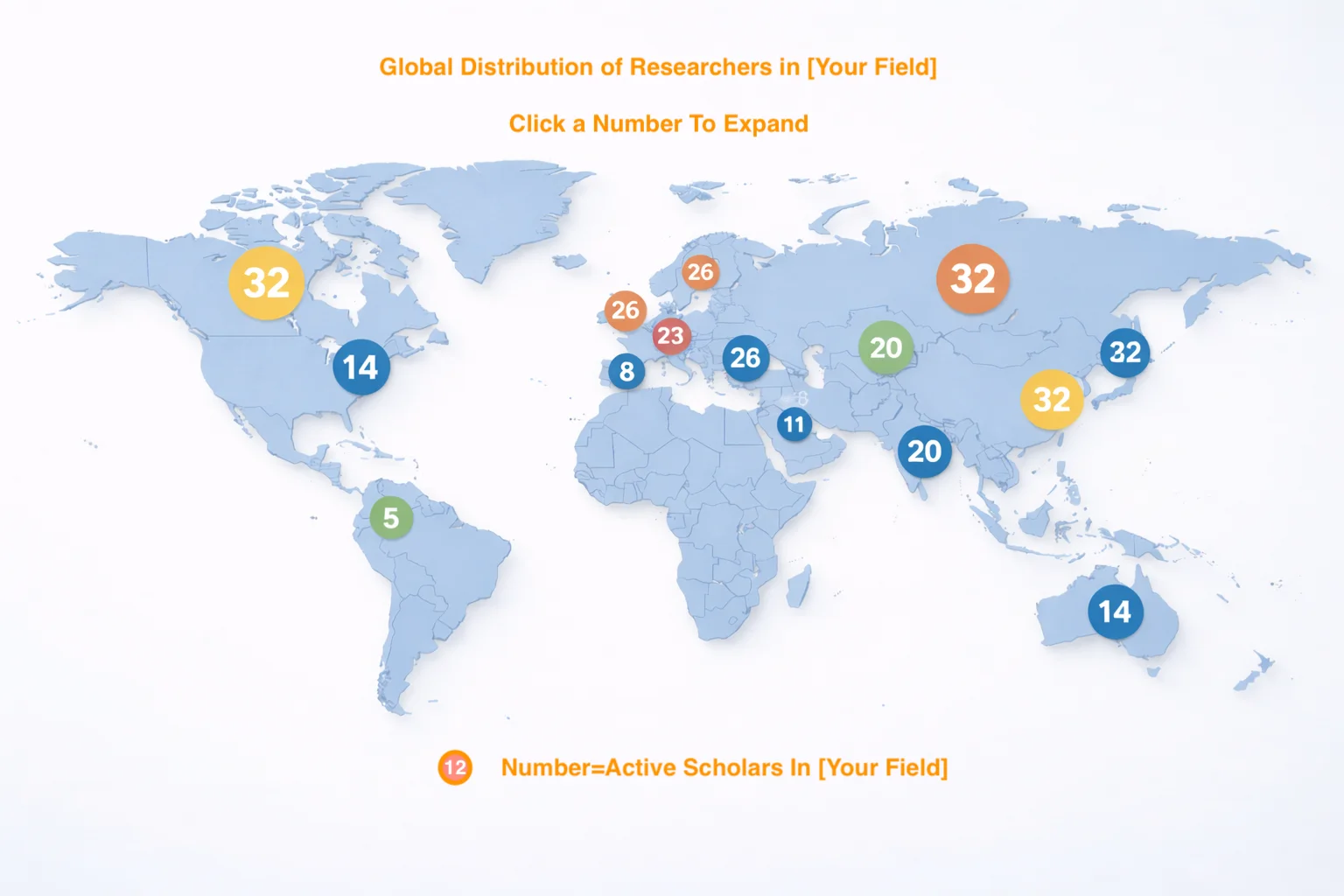

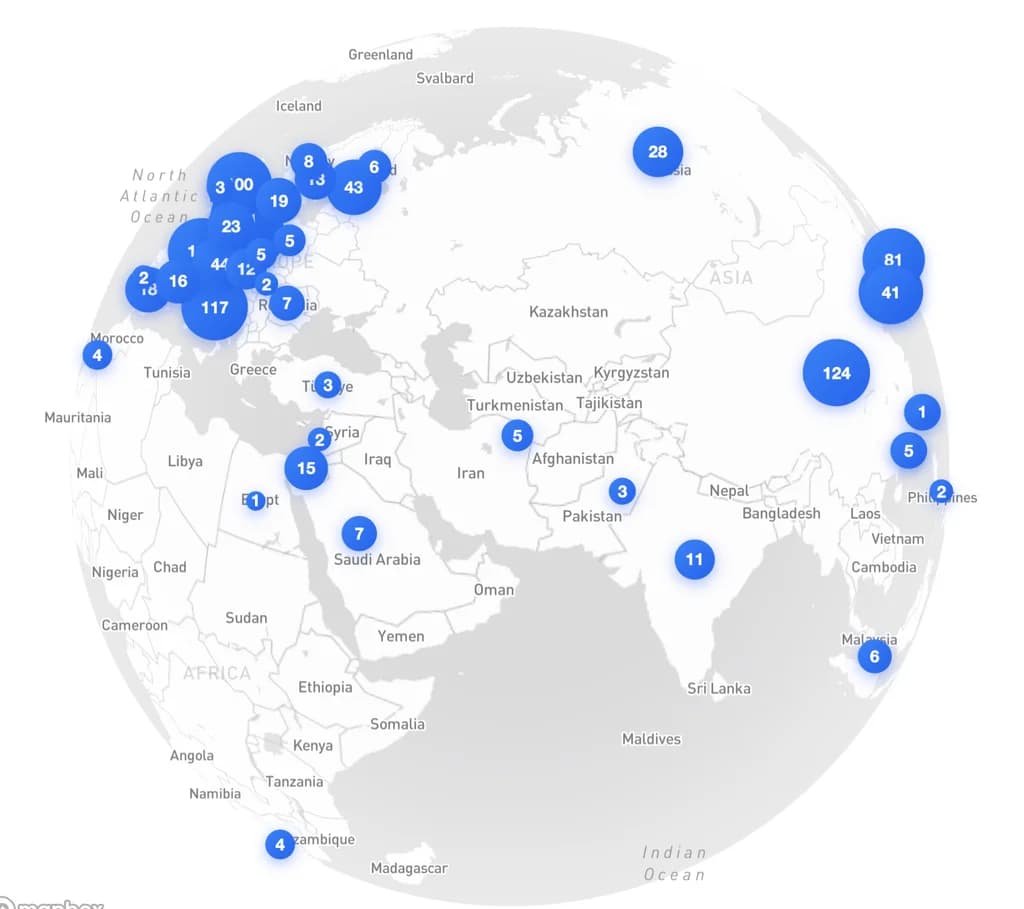
Global research network visualization
LabScout use case

Free to start with 2 searches a week. Applying this season? Pro is $50 for 3 months.

From research interest to a shortlist of labs

🧬

See who is publishing in your niche

Built on PubMed, so it covers biomedical and life-science research in depth — down to specific methods, diseases, and targets.

🧠

No search syntax needed

Describe your interest in natural language; LabScout writes a full-strength literature query with broader coverage than manual search.

🌍

Shortlist labs and PIs anywhere

Compare countries, cities, and institutions, then list the researchers behind the papers — your contact list for applications or collaboration.

📤

Take your shortlist with you

Save any map as a PDF. Pro adds full researcher and institution lists and CSV export for your applications or team.

How It Works

Three clear steps to go from idea to action.
Step 1 – Describe your research in natural language.
You
My research focuses on EEG-driven closed-loop neuromodulation using TMS.
System
Can you specify the targeted population, application/outcome and evaluation metrics of your research?
You
My research has no restriction on the application/outcome, metrics, and the targeted subjects.
System
This is a broad concept, and can you specify if you are working with realtime situation, or mainly focus on the offline data analysis?
Write your next response...
My research has no restriction on the application/outcome, metrics, and the targeted subjects.
LLM-generated research description
Version 1
My research focuses on EEG-driven closed-loop neuromodulation using transcranial magnetic stimulation (TMS). I am interested in systems that extract real-time features from ongoing EEG and adapt TMS timing and/or stimulation parameters accordingly to modulate brain states. The work broadly concerns algorithmic control, signal processing, and experimental validation of EEG–TMS closed-loop paradigms, without committing to a single clinical or cognitive application, outcome metric, or subject population.
Step 2 – Aggregate scholars, and map the global landscape by country, city, and institution.
Papers
500
Analyzed
Authors
3,127
Unique authors
Countries
55
Countries
Cities
108
Cities
Institutions
888
Institutions
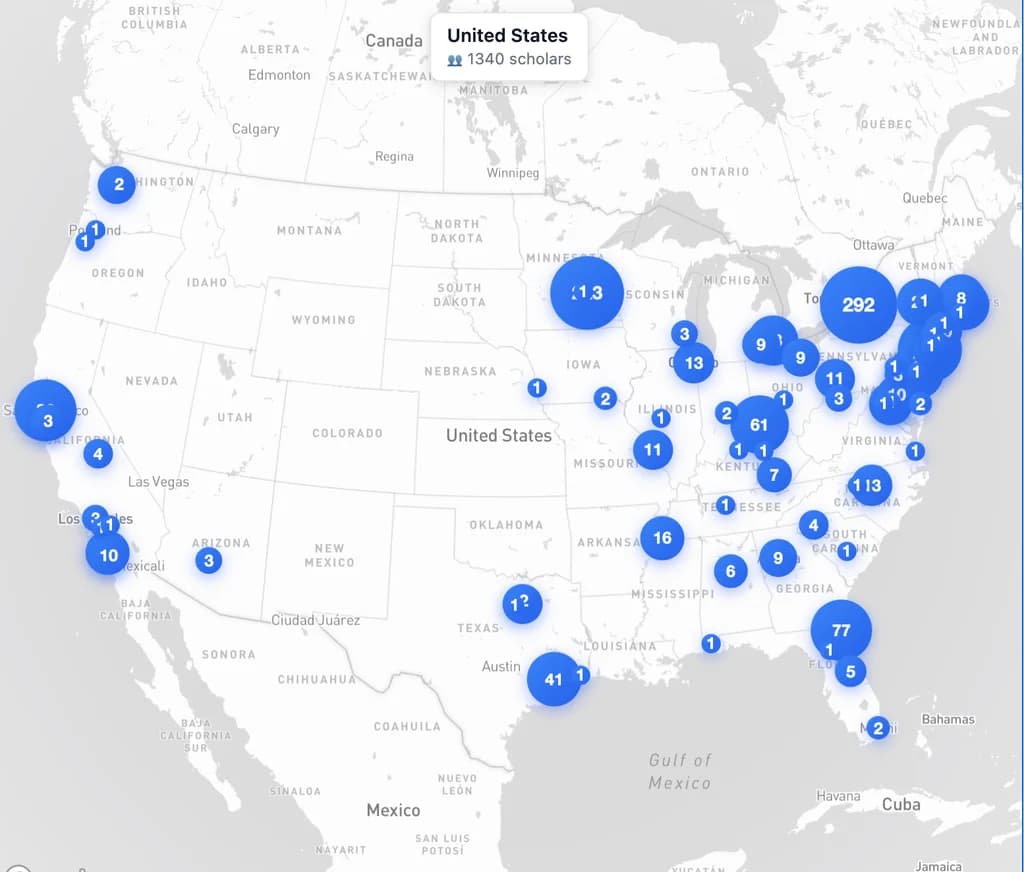
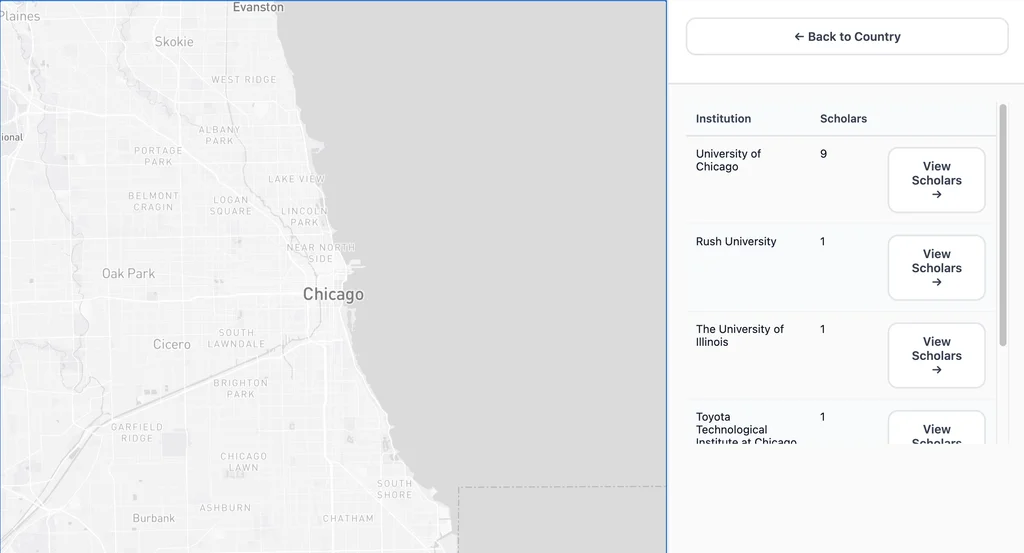
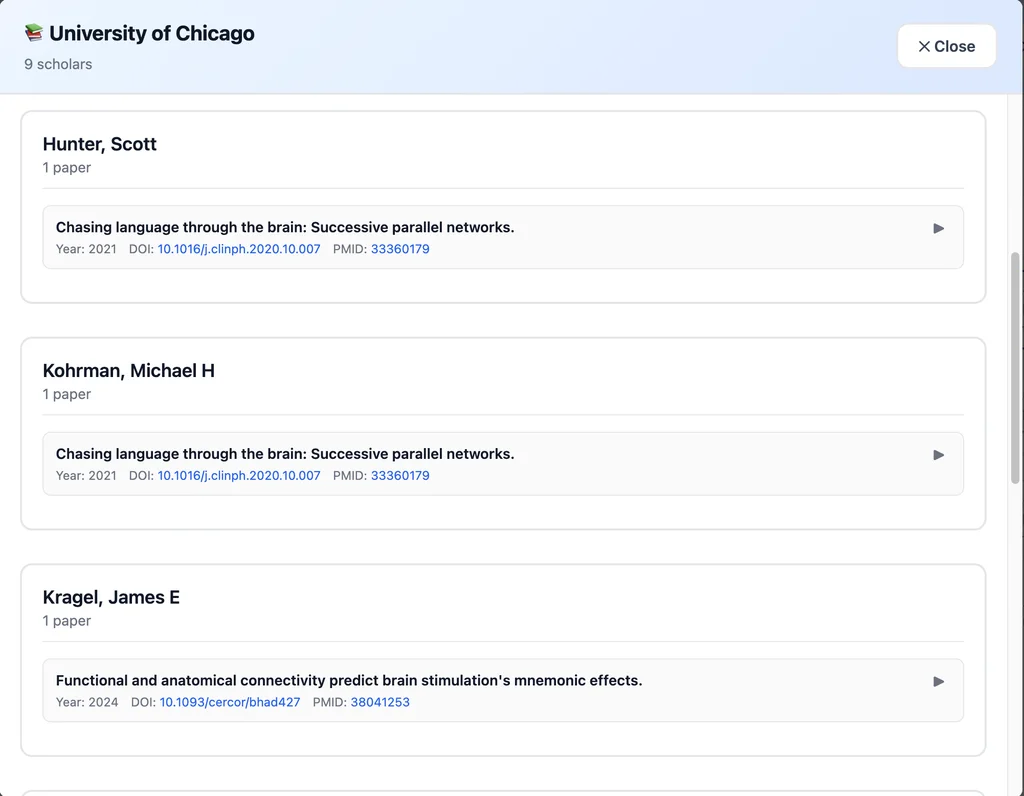
Step 3 – Explore & decide. Compare locations, find collaborators, and plan your next move.
Step 3 detail 1
Step 3 detail 2
Step 3 detail 3
Step 3 detail 4